Skip to content
[ Blog ]Sustainability | 30.07.2026

Solar grazing
in Rendufe.

At the Rendufe solar parks, near the Grupo JAF head office, grazing helps control vegetation naturally, combining renewable energy generation with a more integrated management of the land.

Building a solar park does not end when the photovoltaic panels start operating. Throughout the working life of the infrastructure, the equipment, the access routes and the land where the project sits all have to be maintained.

At the Rendufe solar parks, near the Grupo JAF head office, that management includes a solution that takes up a traditional practice and sets it in a contemporary energy context: grazing to control vegetation.

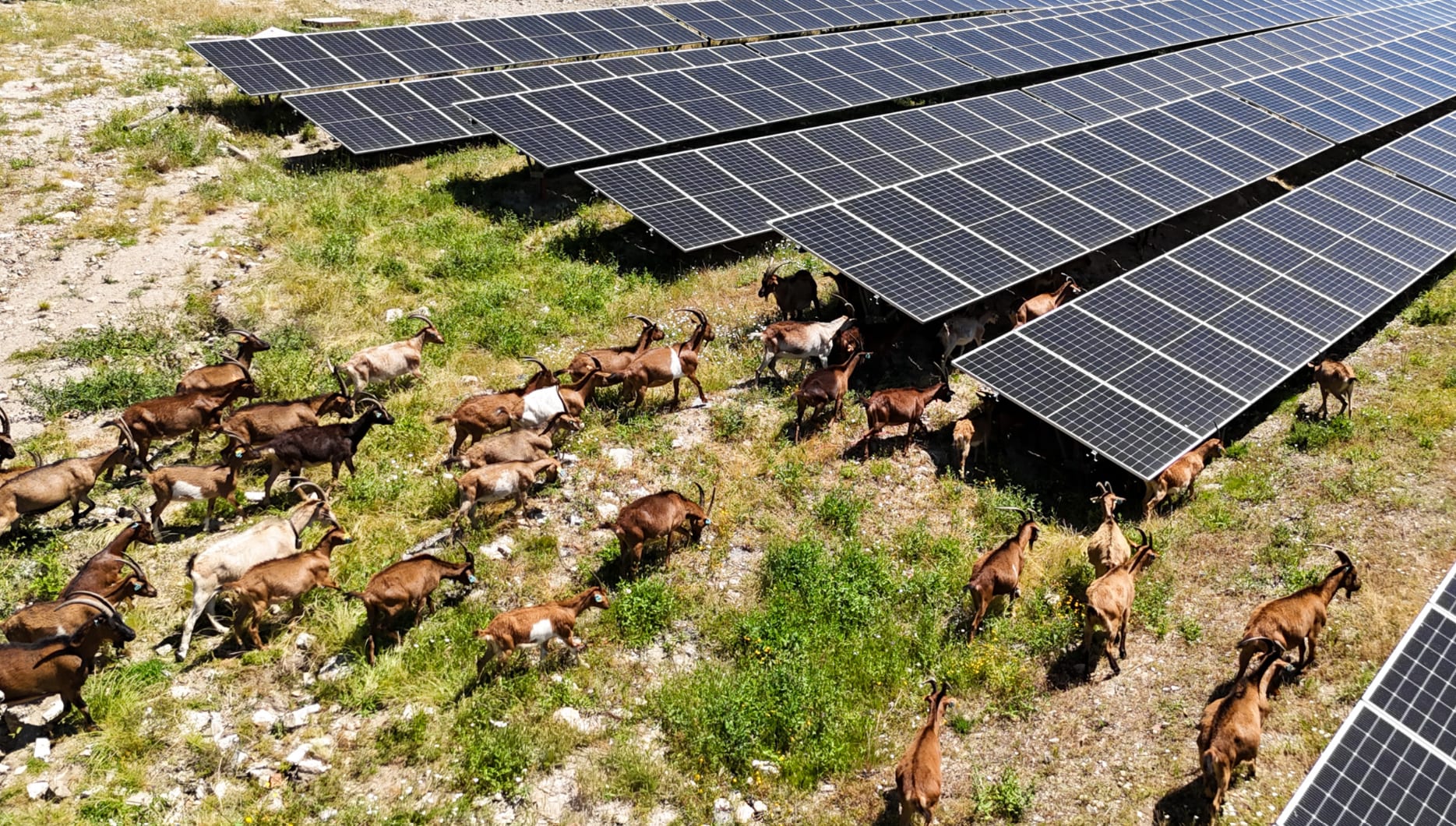
The animals move through suitable areas of the parks and feed on the vegetation between and beneath the photovoltaic structures, helping keep the vegetation cover in check and reducing the need for some mechanical work.

It is an approach that shows how renewable energy generation can coexist with other uses of the land.

Managing vegetation naturally

Vegetation naturally goes on growing on the land occupied by the solar parks.

Controlling it is necessary to keep good access to the different areas of the installation, to make inspection and maintenance easier, and to avoid an excessive build-up of biomass.

Grazing is one of the ways of meeting that need.

In Rendufe, the herds feed on the vegetation growing inside the parks, complementing the other land maintenance work. Using animals in this way makes it possible to draw on natural processes to carry out part of the vegetation control.

The practice, often called solar grazing, is already used at various photovoltaic installations, seeking to reconcile energy generation with agricultural or livestock use of the same space.
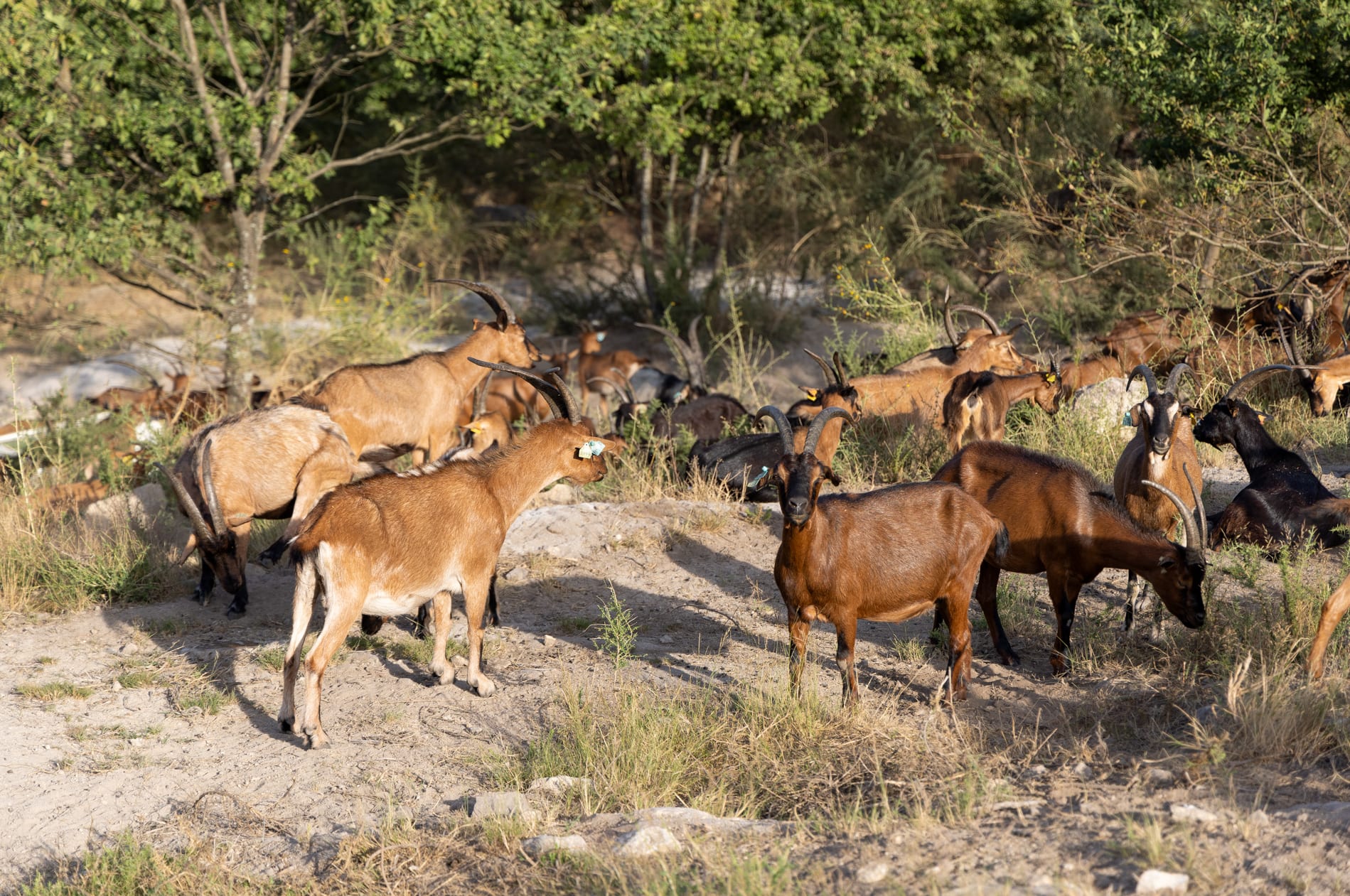
A herd of goats grazing on scrubland beside a solar park
01 – HerdRendufe
A herd of goats grazing beneath the panel rows of a solar park
02 – Vegetation coverNatural control

Energy generation and land use

A photovoltaic installation changes how a piece of land is used, but does not necessarily mean it stops serving other purposes.

Between the panel structures there is still ground available, subject to the natural cycles of vegetation growth and with potential for activities compatible with the operation and safety of the infrastructure.

Grazing makes use of that.

At the Rendufe parks, renewable electricity generation happens alongside the presence of the animals and the management of the vegetation cover.

This coexistence adds a further dimension to how photovoltaic projects are viewed: beyond installed capacity and energy generated, the relationship between the infrastructure and the land over its whole operating period matters too.

Reducing reliance on mechanical work

Conventional vegetation control over large areas can involve periodic work with mechanical equipment.

Grazing does not remove all of those needs, nor does it replace the full set of maintenance operations at a solar park. It does, however, reduce the exclusive reliance on mechanical methods in certain areas and at certain times of year.

By continuously consuming part of the available vegetation, the animals help limit its growth and reduce the amount of biomass on the ground.

Experience from other solar projects shows exactly this potential. Operators such as Lightsource bp use grazing at photovoltaic installations as a vegetation management solution, linking it to less use of machinery and to the possibility of keeping rural activity on the land occupied by solar plants.

Solar grazing shows that different functions can coexist.

Managing vegetation and land

Vegetation control also matters from a wider land management perspective.

When vegetation grows and later dries out, the amount of accumulated plant material increases. Grazing, by consuming part of that material as it grows, can contribute to a smaller build-up of biomass.

Using animals to manage vegetation cover is not unique to the energy sector.

In Portugal there are targeted grazing projects aimed specifically at vegetation management and reducing fuel load. In Paredes de Coura, for example, this approach has been applied as a complementary instrument for landscape management and rural fire prevention.

At the Rendufe solar parks, the main aim is managing the vegetation associated with operating the installations, but the practice follows a similar logic: using natural processes as part of a more efficient management of the land.

A more integrated use of solar parks

The energy transition raises new challenges around land use.

As renewable generation capacity grows, it becomes equally important to think about how this infrastructure fits into the places where it is built.

Energy generation, land maintenance and livestock farming can share the same space, provided that integration is properly planned and compatible with the technical and safety conditions of the installation.

In Rendufe this happens close to the Grupo JAF head office and gives practical form to how the Group manages its renewable generation assets.

Generating energy, managing land

The sustainability of an energy project does not depend only on the renewable origin of the electricity it generates.

It also depends on how it is built, operated and integrated into the land over time.

At the Rendufe solar parks, using grazing to control vegetation is a concrete measure of that approach: combining a technological energy generation infrastructure with a traditional practice of land management.

External references mentioned: Lightsource bp (grazing at solar plants) and the targeted grazing project in Paredes de Coura.

Two different activities,
on the same land,
with complementary roles.

Explore the renewable energy projects.

Discover the projects developed by Grupo JAF and the Group’s experience in delivering and operating renewable energy generation solutions.