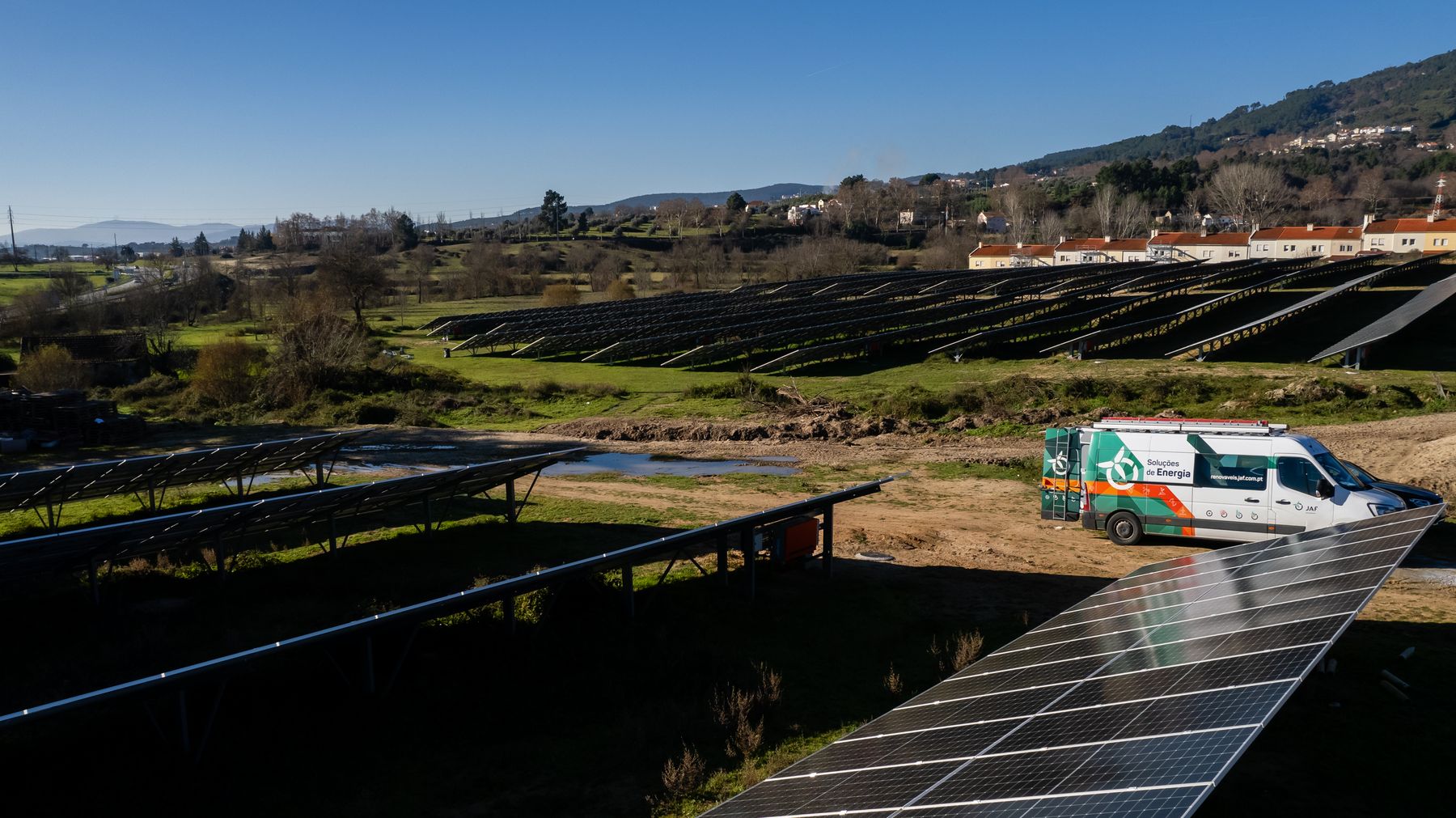
By combining photovoltaic panels with batteries, the surplus energy generated during the day is stored to be used at night or in periods of low solar generation. That is how a reduction of up to 70% on the electricity bill is reached, with added protection against rises in energy prices.
How a photovoltaic system with batteries works
A system with storage has three main components.
Solar panels. They capture solar radiation and convert it into direct-current electricity. The amount generated depends on light intensity, the installation angle and the efficiency of the panels.
Inverter. It converts the direct current generated by the panels into alternating current, the form of electricity that appliances use.
Storage batteries. They keep the surplus for later use, at night or on days with low solar radiation. Without batteries, that surplus is fed into the grid and sold to the operator for a low amount; with batteries, it stays available for your own consumption.
A day in operation
- During the day – the panels power the home and the surplus charges the batteries. If the batteries fill up, the remainder is fed into the grid.
- At night – the stored energy powers the equipment. If the battery runs out, consumption returns to the grid.
- Cloudy or rainy days – the system draws on the battery first and only then on the electricity grid.
How much you can save
The saving depends on the size of the system installed, the consumption profile and the price of electricity. Typical outputs are 3 kW for a small house, 5 kW for a medium house and 10 kW for a small business.
In a house with average consumption of 350 kWh a month and a monthly bill of 100 €, a photovoltaic system with a battery can bring the bill down to about 30 € a month, the equivalent of a saving of 840 € a year. Businesses with higher consumption reach larger figures, because they pay higher tariffs and because their consumption is concentrated in the hours of greatest solar generation.
The five main benefits
- Up to 70% reduction in the bill – generating your own electricity significantly reduces the energy bought from the grid.
- Greater energy independence – the battery keeps the home running even when the grid fails.
- Full self-consumption – the energy is used entirely at home, instead of being returned to the grid for less than the purchase price.
- Protection against price rises – electricity prices in Portugal have risen consistently.
- Fewer emissions – replacing grid electricity with solar energy reduces the CO₂ emissions associated with consumption.
Incentives and tax benefits in Portugal
Fundo Ambiental. It provides support for installing self-consumption systems and batteries in homes and businesses, funding up to 85% of the cost of the installation with a cap of 3,000 € for domestic systems.
VAT at 6%. Installing solar panels benefits from the reduced rate of 6%, instead of the standard rate of 23%, provided the system is installed in a permanent, owner-occupied home.
Compensation for energy returned to the grid. Electricity that is not consumed and is fed into the grid is paid at a tariff set by the operator.
Return on investment
For a 5 kW photovoltaic system with a 10 kWh battery, at a total cost in the region of 9,500 €, an annual saving of 1,200 € and support of 2,500 € from the Fundo Ambiental, the return on investment comes to about 5.8 years. In under six years the system is paid for and goes on generating energy at practically no cost.
How to go ahead
- Initial assessment – analysis of the consumption profile and the hours of heaviest use.
- Choosing the system – sizing the panels and the battery capacity on the basis of that consumption.
- Installation and setup – quick, with the system operating in under a week.
- Monitoring – tracking generation and consumption in real time through an app.
Conclusion
A photovoltaic system with batteries is among the most effective ways to cut electricity costs, gain energy independence and stay protected against future price rises. With the incentives available and the technological progress of batteries, the moment to invest is now.
Ask the JAF Renováveis team for a tailored proposal and find out how much you can save on your installation.
Assumptions: the savings shown are an estimate for systems sized to each customer’s consumption profile. The actual figure depends on consumption, the area and orientation available, the storage capacity installed and the tariff contracted. The figure that applies to each case is established in a prior study.
Source: JAF Renováveis – renovaveis.jaf.com.pt