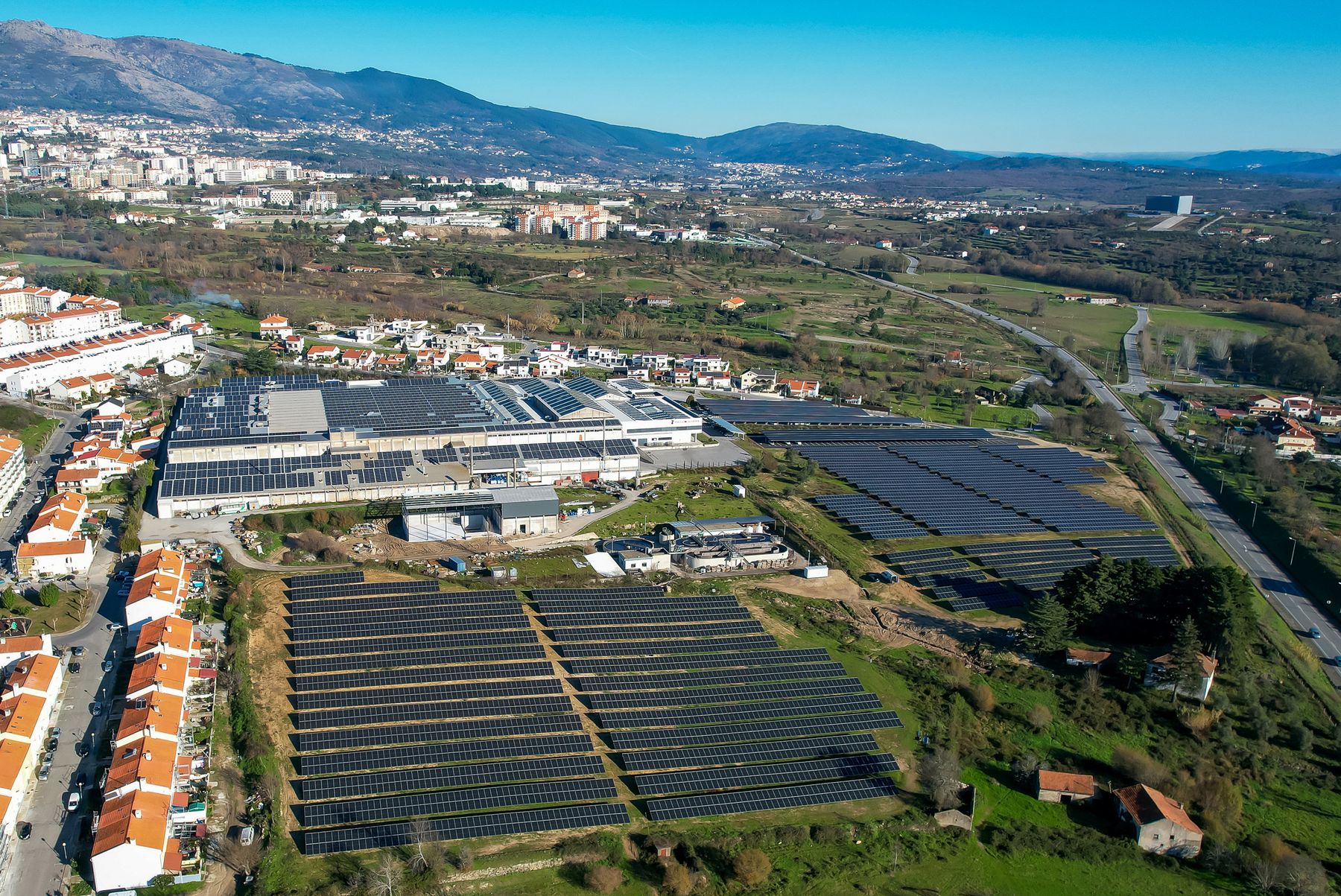
These are the main factors to consider before installing solar panels on older roofs, the most suitable panel types and the good practice that makes an installation safe and efficient.
1. Assessing the structure and strength of the roof
Before installing, it is essential to make sure the structure can take the extra weight and withstand the weather. Modern panels are light, but the total weight of the system, including the mounting structures, puts additional pressure on the roof. What should be assessed:
- Roof material – clay tiles, slate, fibre cement or metal roofing have different strengths.
- Pitch and orientation – the right pitch maximises the capture of sunlight and helps water drain away.
- Condition of the tiles – cracked or damaged tiles should be replaced before the installation.
- Supporting structure – the rafters must be in good condition, with no sign of decay or rot.
On roofs more than 20 years old, a detailed structural inspection by a specialist is recommended before going ahead.
2. The most suitable panel types
Not every panel suits an older roof. The choice should start from the load capacity of the roof and its structural condition.
Monocrystalline. Energy efficiency between 20% and 22%, less area needed thanks to high energy density, low weight and good performance in low light. Suitable for roofs with limited space or lower load capacity.
Polycrystalline. Efficiency between 15% and 18%, more affordable and good performance in strong sun. Suitable for older roofs with a sound structure and good solar exposure.
Thin film. Light and flexible, easy to install on uneven surfaces, with efficiency between 10% and 12%. Suitable for roofs with lower load capacity or complex geometry, and for that reason the most frequent choice on older roofs.
3. The installation process and good practice
Installing on older roofs calls for specialist techniques to ensure long-term efficiency and safety. The process involves:
- Initial inspection – a detailed analysis of the structure by a specialist technician.
- Structural reinforcement, where needed – replacing damaged tiles, reinforcing the rafters and applying protective layers.
- Fitting the mounting structures – fixings in corrosion-resistant materials suited to the roof material.
- Fitting the panels – strategic positioning to maximise solar exposure.
- Connection to the inverter and the grid – a safe and properly sized connection.
The panels should be left with a slight pitch, to help water run off and prevent debris building up.
4. Durability and maintenance
To keep the system at maximum efficiency over the years, regular maintenance involves periodic cleaning, to remove dirt, leaves and debris that cause shading; checking the fixings, to confirm the mounts are firm and free of corrosion; an electrical inspection of the inverter and the cabling; and replacing damaged tiles whenever there is water ingress or wear.
With proper installation and maintenance, a photovoltaic system lasts more than 25 years, even on older roofs.
5. The advantages of going ahead
- A reduction of up to 70% in electricity costs.
- Greater energy independence, generating and consuming your own energy.
- An increase in the property’s market value.
- Clean energy, with fewer emissions from consumption.
- Return on investment within a few years.
Conclusion
Installing solar panels on older roofs is perfectly possible, provided there is a proper structural assessment and the panels and mounts are chosen to suit the roof’s load capacity. The gains in savings, sustainability and autonomy make the investment worthwhile in the long run.
Talk to the JAF Renováveis team for an assessment and find out which photovoltaic system suits your roof.
Assumptions: the savings shown are an estimate for systems sized to each customer’s consumption profile. The actual figure depends on consumption, the area and orientation available, the storage capacity installed and the tariff contracted. The figure that applies to each case is established in a prior study.
Source: JAF Renováveis – renovaveis.jaf.com.pt